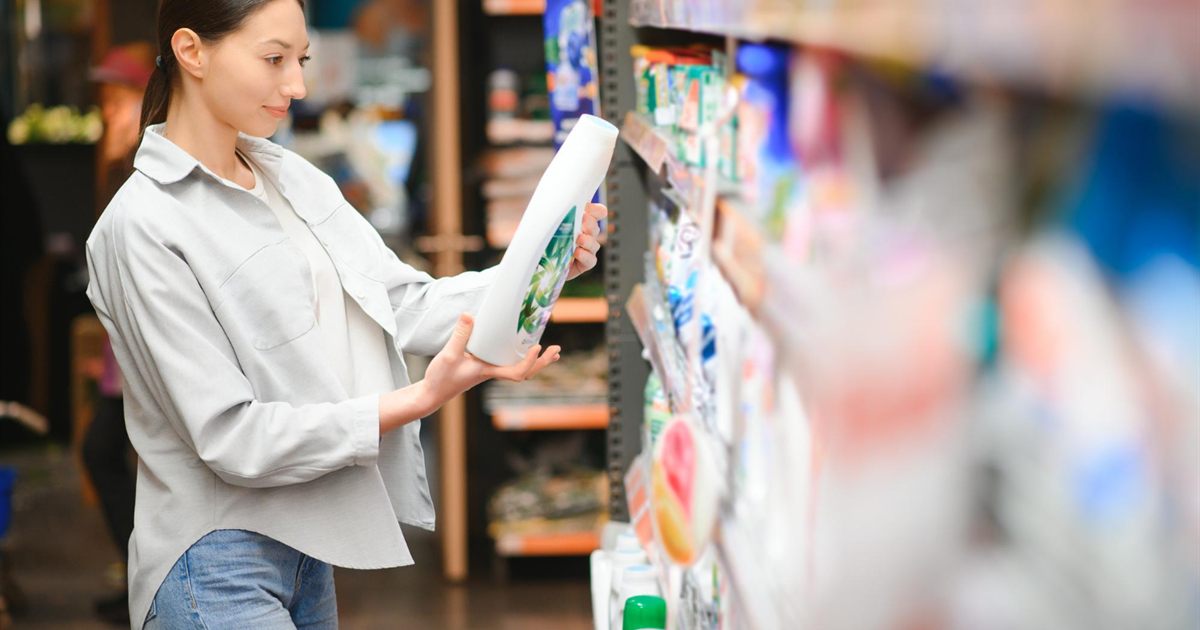
Cleaning shelves contain sprays, concentrates, wipes and multipurpose liquids described as cleaners, sanitisers, antibacterial products or disinfectants. These terms are not automatically equivalent. A buyer choosing products for a Malaysian home should begin with the task: removing visible dirt, reducing microorganisms on a suitable surface, or following a specific disinfection procedure when it is needed.
Regular cleaning with an appropriate detergent may be sufficient for many routine household surfaces. Disinfection may be selected for particular high-touch areas, contamination events or household circumstances. Whatever the reason, the product should be used only for the applications described on its label.
Decide whether the job is cleaning or disinfecting
A cleaner removes dirt, grease and other material. A sanitiser is intended to reduce microorganisms to a stated level under specified conditions. A disinfectant is intended to act against microorganisms identified by its supported claims and directions. Some products combine cleaning and disinfecting functions, while others require the surface to be cleaned first.
Buyers should not assume that stronger wording means a better everyday choice. The useful product is the one matched to the actual task. Check whether the label describes household hard surfaces, fabrics, food-contact areas, bathroom fixtures, electronics or another use. If the intended surface is not listed, ask the supplier or choose a product with clearer directions.
Compare claims with the directions for use
Front-label phrases provide a quick summary, but the detailed directions explain how the claimed result is achieved. Look for whether the product is ready to use or requires dilution, how it should be applied, whether pre-cleaning is necessary and how long the surface must remain wet. This period is commonly called contact time.
A product with a short contact time may be convenient for frequently used surfaces. A longer period may still be workable if the area can remain undisturbed. Buyers should compare the real procedure rather than only the bottle size or spray format. Wiping a surface immediately may not follow the stated disinfection method.
Check surface and room suitability
Household surfaces respond differently to moisture and ingredients. Sealed countertops, bathroom ceramics and some hard plastics may tolerate products that are unsuitable for natural stone, unfinished wood, painted finishes, fabrics or electronics. Always check both the product directions and the surface manufacturer’s care guidance.
Kitchen use requires attention to food-contact directions and any stated rinse requirement. Bathroom products may need to handle soap residue before disinfection. For phones, remote controls and other electronics, liquid application can damage openings or coatings. A small test on an inconspicuous area can help identify colour or finish changes, but it does not replace the label.
Evaluate ingredients without relying on broad assumptions
Some households prefer plant-derived ingredients, essential oils, fragrance-free options or products that exclude particular substances. Others prioritise a specific format or supported use claim. “Natural†and “conventional†are broad categories, and neither description alone establishes suitability, safety or performance.
Read the ingredient and warning information available for the exact product. Consider sensitivities, ventilation, residue, scent and the people or animals using the space. A product intended for surfaces should not be applied to skin, food, people or pets unless the label explicitly states that application.
Consider packaging and usable coverage
Ready-to-use sprays reduce preparation, while concentrates can provide more applications per container when diluted correctly. Wipes offer convenience but may dry out or cover less area than expected. Trigger quality, nozzle pattern and container stability affect everyday use, especially when a product is applied frequently.
Compare cost per prepared litre or usable application rather than shelf price alone. Include required dilution, contact time, likely wastage and any separate cleaning step. Larger packs may reduce unit cost but only if they can be stored according to the directions and used within their stated life.
Review household safety and storage
Follow label instructions for ventilation and protective equipment. Do not mix cleaning or disinfecting products unless the label specifically directs it, because mixtures can create hazardous reactions or make products ineffective. Keep products in their original containers with labels intact and store them away from children, pets, food and heat.
If a concentrate is diluted for permitted use, follow the exact ratio and labelling instructions. Do not transfer products into drink bottles or unmarked containers. Buyers should also check expiry information and disposal directions instead of pouring unwanted products together.
Use supplier information as a starting point
Product range to examine: Eucapro presents eucalyptus-based health, hygiene and household cleaning products, including antibacterial, sanitising and disinfectant sprays. When reviewing its household disinfectant products in Malaysia, compare the current label for each item with the required surface, application method, warnings, supported claims and pack format. That product-level check is more useful than treating every item in a supplier range as interchangeable.
Build a practical shortlist
A useful comparison records product purpose, supported surfaces, ready-to-use or dilution format, contact time, fragrance or ingredient preferences, pack size, cost per use and storage needs. Customer support matters when directions or surface compatibility are unclear, but supplier advice should remain consistent with the product label.
The best household choice is not necessarily the product with the longest claim list or strongest scent. It is the product that fits the required task, can be used correctly in the available space and has directions the household can follow consistently.
Buyer references
- NPRA: voluntary registration of surface disinfectantsReview the Malaysian regulatory notice for surface disinfectant products.
- NPRA: surface disinfectant registration guidelineCheck official expectations for product scope, safety and efficacy.
- CDC: cleaning and disinfecting your homeUse the household guidance when matching products to routine tasks.