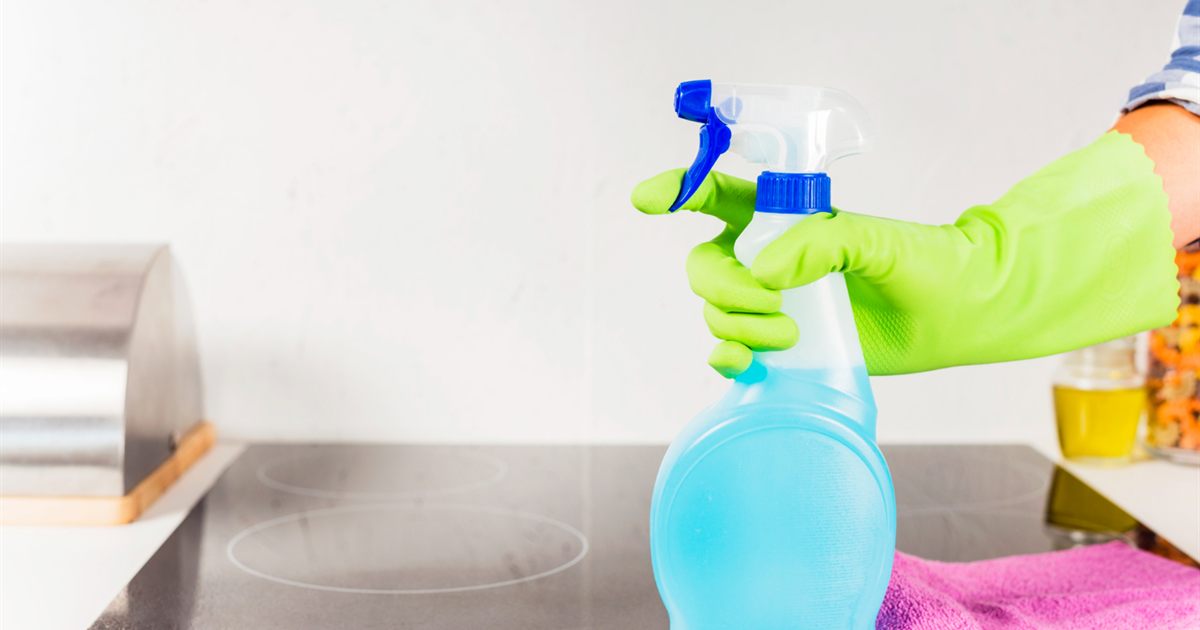
Trigger sprays and aerosol formats make household application quick, but kitchens, bathrooms and living spaces contain different materials and exposure considerations. A room-by-room plan helps buyers avoid using one general product on surfaces that need special care or a different procedure.
Begin with cleaning condition
Disinfectants generally work best when loose dirt and organic material have been removed according to the directions. Grease, soap residue and visible soil can prevent even coverage. Some products include a cleaning step, while others are intended for use after a separate cleaner.
Buyers should consider whether the household will realistically complete both steps. A combined product may be convenient for light routine soil, but heavy kitchen grease or bathroom buildup may still need purpose-specific cleaning first.
Kitchen counters and food preparation areas
Kitchen surfaces can include laminate, engineered stone, natural stone, stainless steel, tile, sealed wood and painted finishes. Check compatibility with the exact material. Acidic, alkaline, solvent-based or strongly fragranced products may be unsuitable for some finishes.
Food-contact areas require particular attention to rinse directions. Remove food and utensils before application, follow the contact time and complete any stated potable-water rinse. A product approved for a bin lid or floor is not automatically suitable for a chopping area.
Sinks, taps and appliance handles
Sinks and tap handles are frequently touched and exposed to moisture, but decorative coatings can be sensitive. Spraying onto a cloth may provide more control than spraying near seams and openings, if the label permits that method. Drying or rinsing should follow the product and fixture guidance.
Refrigerator handles, oven controls and small appliances may contain electronics or printed markings. Avoid flooding controls. Consult manufacturer care instructions, especially for touch panels and coated surfaces.
Bathroom ceramics and fixtures
Toilet exteriors, ceramic basins and glazed tiles are often compatible with household sprays, but limescale and soap film should be addressed first. Disinfection should not be expected to remove mineral deposits. Separate cleaning tasks may produce a better result.
Chrome, matte black, brass-look and other decorative finishes can react differently to cleaning ingredients. Test cautiously where recommended and avoid abrasives unless the manufacturer permits them. Ventilation is important in small bathrooms during and after use.
Showers, tubs and wet areas
Shower screens, grout, sealant, acrylic tubs and natural stone each have different care needs. A spray suitable for ceramic tile may damage another material. Buyers should review whether the product addresses the desired hygiene task without compromising seals or finishes.
Wet floors introduce slip risk. Keep people away during the contact period and complete rinsing or drying as instructed. Do not combine a disinfectant with descaler, bleach, ammonia or another bathroom cleaner unless the product label specifically directs that combination.
High-touch surfaces around the home
Door handles, switches, handrails, drawer pulls and remote controls are common high-touch points. The surface may need to remain wet for the stated contact time, which can be difficult on vertical areas. Application to a cloth may help when allowed.
Painted doors, varnished wood and plated hardware should be checked before repeated use. Frequent disinfection can affect appearance even when a single application does not. Routine cleaning frequency should reflect household needs rather than an assumption that every surface requires daily disinfection.
Electronics need controlled application
Phones, keyboards, tablets and remote controls can be damaged by liquid entering openings. Follow the device manufacturer’s guidance and switch off equipment where instructed. Never spray directly unless both the disinfectant and device directions allow it.
Pre-moistened wipes or controlled application to a suitable cloth may reduce excess liquid. Buyers should still confirm the active formulation, contact time and coating compatibility.
Compare the spray mechanism
A fine mist can cover a broad area but may increase airborne droplets. A directed trigger offers more control. Pump reliability, lockable nozzles, refill design and bottle stability affect everyday convenience. Households with children should consider secure storage rather than relying only on a nozzle lock.
Fragrance and residue also influence room suitability. A strong scent may be undesirable in kitchens or small spaces. Visible residue can require additional wiping after the contact period if the directions permit.
Create a small product schedule
Most homes do not need a different disinfectant for every room, but one product may not cover every material. List the important surfaces, label-approved uses, contact time, rinse requirements and preferred application. The main household disinfectant product guide provides the wider buying checklist.
Add cleaning frequency and responsibility to the schedule. A kitchen counter used throughout the day may need a different routine from a guest bathroom or occasional high-touch point. The schedule should distinguish routine cleaning from situations where disinfection is selected, so household members do not apply products more often than the intended plan.
Review the schedule when surfaces or appliances are replaced. New countertop finishes, coated taps or touch-screen controls may have different care instructions. A product that suited the previous material should not be carried forward automatically.
A room-based comparison keeps purchasing practical. The selected spray should suit the surface, fit the household’s cleaning sequence and be simple enough to use consistently according to its label.
Buyer references
- NPRA: surface disinfectant registration guidelineCheck intended uses, claims and efficacy information for surface products.
- CDC: cleaning and disinfecting your homeReview practical cleaning, contact-time and household safety guidance.