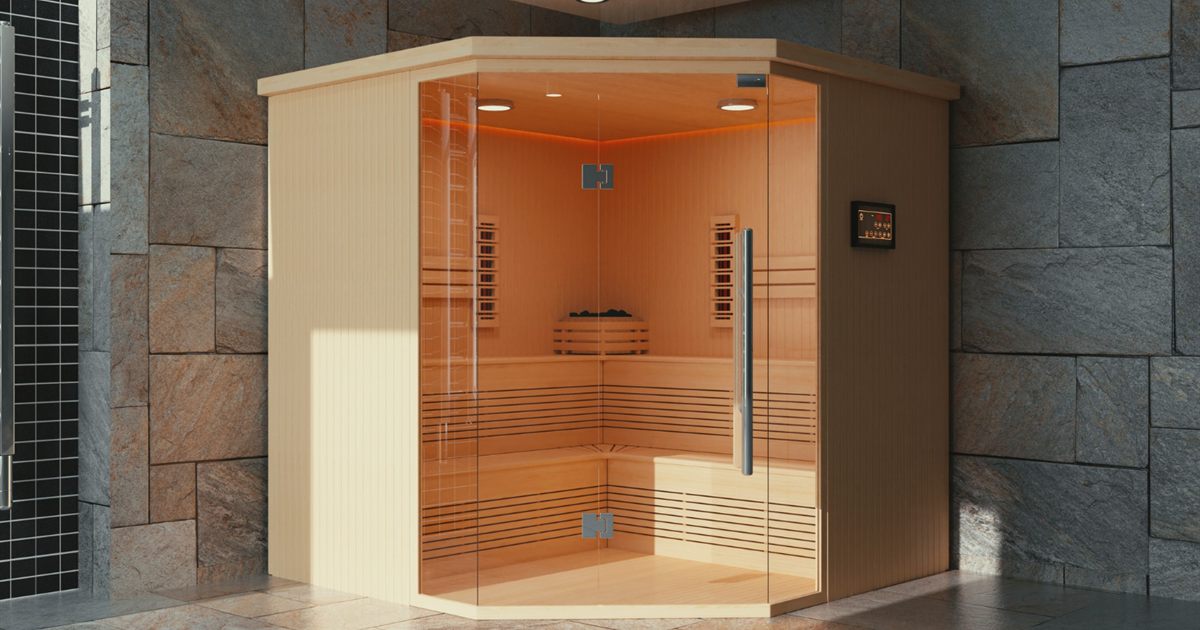
Jacuzzis, hot tubs, saunas, steam rooms, and related pool equipment require a different buying process from standard bathroom fixtures. The product is only one part of the completed installation. Space preparation, structure, waterproofing, drainage, ventilation, electrical supply, water treatment, controls, access, and commissioning can all affect whether the equipment performs as intended.
Buyers should begin by deciding what result the project needs. A private residential hot tub, hotel spa facility, health club sauna, and commercial steam room have different usage levels, supervision, maintenance routines, and downtime consequences. Suppliers should be compared against the intended application rather than against a generic list of features.
Define the site conditions early
Provide room dimensions, access routes, floor levels, structural information, ventilation conditions, drainage points, water supply, and available electrical load. Large prefabricated units may not pass through completed doors or lifts. Built-in equipment may require service spaces that conflict with walls, platforms, or interior finishes.
The relevant consultants and contractors should review supplier requirements before construction is finalised. Electrical isolators, dedicated circuits, pumps, heaters, generators, controls, exhaust systems, and water connections must be coordinated. Late changes can cost more than differences between equipment quotations.
Separate equipment supply from installation scope
Every quotation should state exactly what the supplier provides. Possible elements include the main vessel or cabin, pumps, heaters, jets, controls, generators, lighting, filtration, fittings, delivery, positioning, installation, testing, commissioning, and user training. Builders may still be responsible for foundations, waterproofing, drainage, finishes, ventilation, and power.
Unclear boundaries create disputes when the system cannot be commissioned. Ask for a responsibility schedule naming the supplier, main contractor, specialist installer, electrician, plumber, and maintenance provider. If the supplier excludes installation, confirm whether it provides drawings and whether an approved installer is required for warranty validity.
Compare capacity and operating requirements
Equipment should be sized for the space and expected use. Buyers can compare user capacity, heating time, temperature range, water volume, pump duty, control functions, filtration needs, and recovery between users. Bigger is not always better because increased capacity can require more power, water, ventilation, and maintenance.
Ask for estimated operating conditions rather than relying on headline ratings. Malaysian ambient temperatures and humidity may affect room ventilation and condensation management. Commercial facilities should consider daily operating hours, cleaning periods, supervision, and the effect of peak demand.
Review safety, controls, and documentation
Buyers should request installation manuals, operating instructions, maintenance requirements, and relevant product documentation before approval. Controls need to be understandable and accessible to the intended operator. Emergency shutdown, temperature control, electrical protection, drainage, slip risk, and ventilation should be reviewed by qualified project professionals.
For commercial settings, establish who records checks and responds to alarms or faults. A sophisticated control system provides limited value if staff cannot operate it or if service access is unavailable. Training and handover documents should be included in the supplier scope where appropriate.
Understand maintenance and consumables
Spa equipment needs planned care. Filters, seals, pumps, heaters, sensors, jets, steam generators, timber surfaces, water treatment products, and control components may require cleaning or replacement. Ask for a maintenance schedule and identify tasks suitable for facility staff versus specialist technicians.
Compare the local availability of consumables and critical spares. A supplier should explain how models are identified, how service visits are arranged, and how long common components normally remain supported. For revenue-generating facilities, expected response times and temporary closure procedures can be commercially important.
Evaluate warranty in relation to the whole system
Different parts may carry different warranty periods. Coverage can also depend on water quality, ventilation, electrical conditions, approved installation, or documented maintenance. Buyers should request written exclusions and the claim process. Confirm whether diagnosis, labour, travel, removal, reinstatement, and replacement transport are covered.
A general sanitary ware supplier selection guide remains useful for comparing company responsiveness, quotations, stock information, and after-sales service. Specialist spa equipment adds a further need to confirm installation competence, commissioning, technical handover, and long-term service capacity.
Compare lifecycle cost, not equipment price alone
Build a cost comparison that includes delivery, access equipment, builder’s work, installation, electrical and plumbing requirements, testing, maintenance, consumables, expected energy use, spare parts, and training. Clarify whether taxes and site attendance are included. An inexpensive unit may become costly if it needs extensive adaptations or lacks accessible service support.
Buyers should also plan for the period between delivery and commissioning. Equipment may need dry, secure storage, while warranties may start from delivery rather than handover. Confirm protection requirements, inspection points, and responsibility for damage caused by other trades. Where completion is delayed, agree on how stored components will be preserved and whether commissioning dates affect warranty coverage.
The most suitable supplier is the one that defines the complete operating requirement clearly and accepts responsibility for an agreed scope. Buyers should complete technical coordination before ordering, document all interfaces, and retain manuals and model records after handover. That discipline protects the investment long after the equipment is first switched on.
Buyer references
- Energy Commission: electrical equipment approval guidelinesCheck Malaysian approval requirements for regulated electrical equipment.
- Energy Commission: equipment requiring a Certificate of ApprovalConfirm whether electrical components fall within a regulated category.