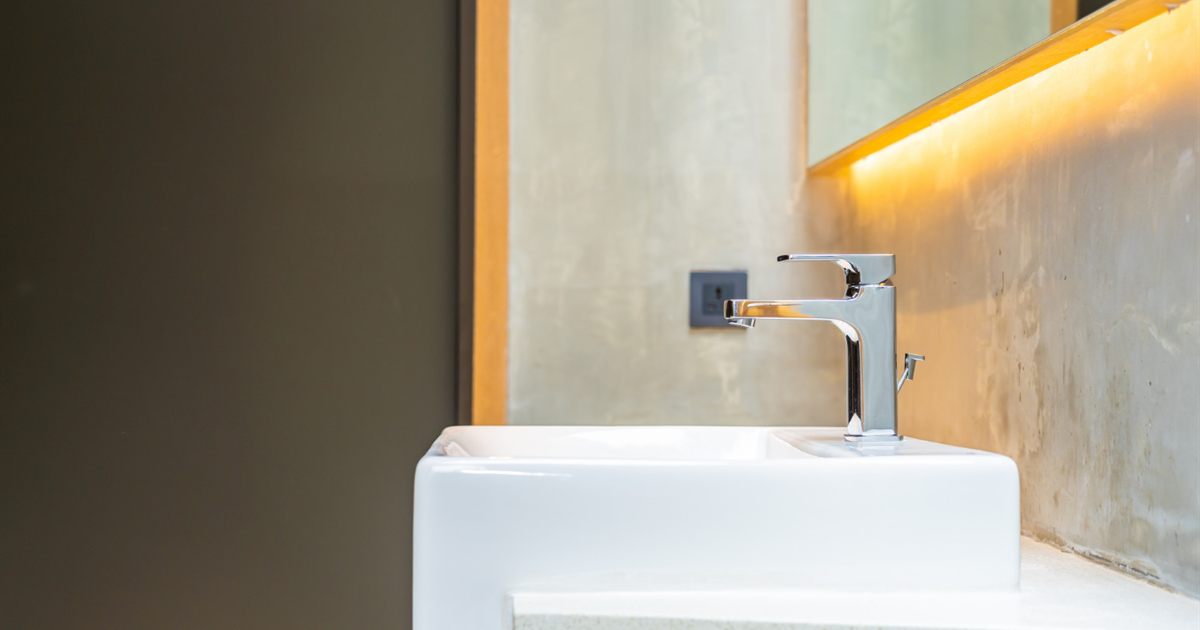
Faucets and shower fittings are repeated across apartments, hotel rooms, offices, and institutional projects, so a modest price difference can have a visible effect on the order value. The same repetition also magnifies defects, missing parts, finish variation, and installation problems. A bulk quotation should therefore be based on an approved technical and commercial schedule rather than a product image and quantity alone.
Define each fitting by location and function
Prepare a room or unit schedule showing where every basin mixer, kitchen faucet, shower outlet, hand shower, control, hose, rail, and accessory will be used. Similar products can have different mounting methods, projection, heights, flow characteristics, or connection sizes. Clear location references prevent a supplier from quoting one standard model for areas with different requirements.
Confirm whether the fitting is deck-mounted, wall-mounted, concealed, or exposed. Note the basin or sink dimensions, number of mounting holes, countertop thickness, and distance to the outlet. For showers, identify the required outlets, diverter arrangement, heater or hot-water system, and whether concealed bodies must be installed before finishes are completed.
Check pressure and system compatibility
Water pressure affects how mixers, rain showers, thermostatic controls, and multi-outlet systems perform. Buyers should provide the project’s expected pressure range and ask for operating requirements. A large shower head may deliver disappointing performance if the available flow is inadequate, while some controls may require balanced hot and cold supplies.
Connection compatibility should be confirmed with the plumbing contractor. Thread sizes, flexible hoses, isolation valves, adapters, and concealed components must match the local installation. If an imported model uses unusual parts, future replacement may become difficult. The quotation should state which connectors and installation pieces are included.
Compare materials and serviceable components
Ask suppliers to identify the materials used for the faucet body, handle, cartridge, hose, shower head, rail, and finish. Broad descriptions such as metal construction may not be enough for a meaningful comparison. Buyers do not need a technical investigation of every component, but they should be able to distinguish products with different expected service levels.
Cartridges, aerators, hoses, seals, diverters, and thermostatic elements can require replacement during the product’s life. Confirm whether these parts are identifiable by model and available locally. For a project with many repeated units, purchasing a small initial spare allocation can reduce downtime and avoid mismatched emergency replacements.
Approve samples and finish standards
One complete sample set should be reviewed before the bulk order is released. The sample allows the designer, buyer, contractor, and client to verify appearance, control movement, dimensions, installation method, and included parts. Record the model numbers and photograph the approved set so delivered goods can be checked against it.
Special finishes require extra attention. Brushed, matte, black, gold, and gunmetal surfaces can vary between batches or product families. Ask whether all selected fittings come from a coordinated finish range and whether the supplier can provide the full quantity from consistent production. The cleaning method should also be confirmed because abrasive products or unsuitable chemicals may damage decorative coatings.
Calculate order quantities and site allowance
Quantities should come from an agreed schedule, with a separate allowance for testing damage, loss, future repairs, or client handover. The correct allowance depends on project size, product availability, and whether spares can be purchased later. Ordering too few can delay completion; ordering too many creates unnecessary stock and storage responsibility.
Minimum order quantities may apply to special colours, custom branding, or non-standard packaging. Buyers should ask whether the minimum applies per model, per finish, or across the complete order. This can affect designs that use several similar fittings in small quantities.
Plan inspection and phased delivery
Agree on packaging labels, model identification, carton quantities, delivery sequence, and the process for reporting shortages. Concealed bodies may be needed much earlier than trim pieces, while exposed fittings should remain protected until final installation. Splitting these deliveries can help the programme if the supplier can store and track the balance reliably.
For supplier-level checks covering stock, documentation, warranty, and project support, use the main sanitary ware sourcing guide. Bulk fitting orders benefit from suppliers that can maintain accurate schedules and respond quickly when a model question or shortage affects several rooms.
Compare the complete installed requirement
The lowest faucet price may exclude valves, wastes, adapters, shower arms, brackets, or delivery. Compare complete sets with identical assumptions. Include sample charges, spare parts, split-delivery fees, and any cost associated with special finishes. Payment timing should follow clear approval and delivery milestones where possible.
Before final release, check the order against the latest construction drawings rather than an earlier tender schedule. Room counts, basin types, shower layouts, and finish selections may have changed during coordination. The buyer and contractor should sign off the same revision so additions and cancellations are identified before stock is allocated or special-finish items enter production.
A disciplined bulk purchase ends with an approved sample, a model-by-location schedule, confirmed compatibility, documented quantities, and agreed delivery controls. Those details protect both buyer and supplier and reduce disputes when installation is already under way.
Buyer references
- CIDB Malaysia: regulated construction materialsCheck the Malaysian Standards listed for regulated sanitaryware.
- Standards Malaysia: MySOL catalogueSearch current Malaysian Standards for sanitary appliances and installations.